Decoding Your Vehicle History: Unmasking the ‘Manufacturer Buyback’ Status
Purchasing a vehicle requires checking its history, condition, and legal standing. Finding a title brand on a vehicle history report changes how you should approach the transaction. A CARFAX lemon law buyback entry signals a reported history that demands attention. It should not be dismissed as a minor clerical note without checking the underlying title record and resale disclosures. The report is a starting point for that review, not a mechanical inspection or a legal judgment.
A CARFAX manufacturer buyback or lemon reported entry can indicate that the manufacturer reacquired the vehicle or that a buyback or lemon designation was reported. The entry alone does not establish the original defect, how it was resolved, or whether the car is currently safe. That history may affect market value and the coverage available to a subsequent buyer. Understanding exactly what the record says is the first step in protecting your financial interests and making an informed decision.

The Anatomy of a ‘Lemon Reported’ Designation
Automakers may repurchase vehicles to resolve warranty disputes, including through negotiated settlements. A court judgment is not required for every buyback. The Song-Beverly Consumer Warranty Act requires replacement or restitution for qualifying vehicles when a covered defect substantially impairs use, value, or safety and cannot be repaired after a reasonable number of opportunities. The repair history and the warranty determine the analysis; the report label does not show how the original dispute was resolved.
A CARFAX manufacturer buyback entry does not tell you that a driver fought through months of litigation or that a manufacturer exhausted every possible defense. The report may show when the event was recorded and which source supplied the information. Ask for the original complaint, repair attempts, and buyback disclosure rather than filling those gaps with assumptions. Our explanation of what a manufacturer buyback vehicle is provides background on the designation.
The issues behind a buyback can involve systems such as the transmission, engine, or electrical components. But a report label alone does not establish the seriousness of a particular defect or prove that it remains uncorrected. California’s title branding warns future buyers about the vehicle’s warranty-return history. It does not certify the car’s present condition. Review the specific problem and the repairs listed in the disclosure before deciding whether the vehicle meets your needs.

The Hidden Mechanical Risks of Purchasing a Repurchased Vehicle
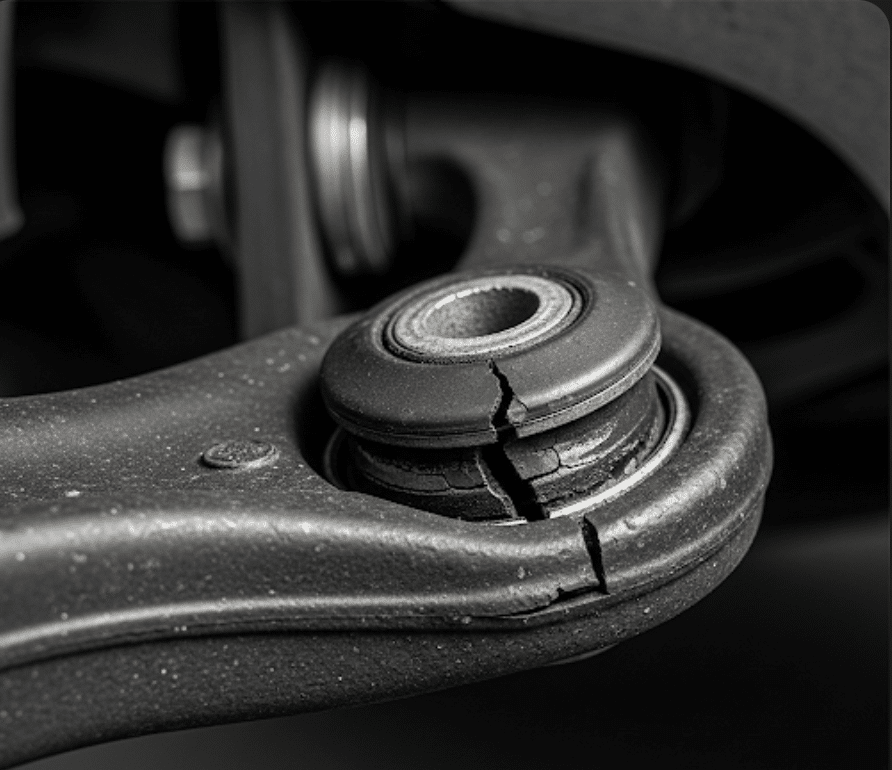
Consumers staring at disclosure paperwork often ask if a repurchased car is actually safe to drive. Dealerships may say that the vehicle was repaired before being placed back on the market. An inspection checklist can be useful, but a general assurance is not a substitute for records identifying the original defect and the work performed. Have an independent mechanic review those records and inspect the relevant systems before you commit to the purchase.
The original complaint may have been corrected, or a problem may remain unresolved. Neither outcome can be assumed from a CARFAX manufacturer buyback or lemon label. For a CARFAX lemon law buyback vehicle, request the repair documentation and written warranty terms. Do not rely solely on the dealership’s assurance. If a defect appears after purchase, responsibility for repairs depends on the applicable coverage, the facts of the sale, and the legal claim available to you. Our guide to buying a used car from a dealer with problems covers purchase records and potential claims.
The long-term financial consequences of purchasing a branded vehicle deserve attention before you sign. The size of any discount, financing restrictions, or insurance limitation varies by vehicle and provider:
- A branded title may reduce resale value and make the vehicle harder to trade in. Compare it with vehicles carrying the same brand, not just otherwise similar cars with clean titles.
- Some lenders restrict financing for branded vehicles. Obtain approval for the specific vehicle rather than assuming the advertised loan terms will apply.
- Insurance availability and coverage terms vary. Confirm coverage using the vehicle identification number before purchasing.
- Repairs outside applicable warranty coverage may leave you responsible for unexpected service bills. Review the coverage, exclusions, and repair history carefully.
How California Law Dictates Mandatory Dealer Disclosures
Consumer protection laws in California regulate how a previously returned vehicle re-enters the market. The state requires specified title branding and disclosures for vehicles covered by its buyback rules. A dealer cannot simply rely on the buyer overlooking the history. Specific steps must be taken before transferring these vehicles, and an online history report does not replace the required notices.
For a qualifying California lemon law buyback, the manufacturer must arrange the required title branding and decal. The decal is generally placed on the left-door frame. The resale disclosures must identify the vehicle and its buyback status, the problems reported by the original owner or lessee, and the repairs made, if any. Applicable written notices must be provided before the sale or transfer, with the buyer’s acknowledgment obtained. Ask for copies and compare them with the title and history report.
Failing to provide a legally required disclosure can support a claim, but it does not automatically prove every element of fraud. Verbal assurances cannot replace a required written notice. Whether a particular seller violated the law depends on the vehicle’s history, what the seller knew or should have known, and what was disclosed. Preserve the advertisement and signed paperwork if the information conflicts. Our overview of California consumer warranty rights can help you prepare questions for a legal review.
The California DMV’s guidance on lemon law buybacks and warranty returns outlines the branding and disclosure requirements.

Trapped with a Branded Title? Your Legal Options Explained
Many buyers only discover the truth about their vehicle long after leaving the dealership lot. If you purchased a vehicle without knowing its buyback history, review the documents before assuming the claim is clear-cut. Finding a CARFAX lemon law buyback entry after taking delivery does not, by itself, prove that the dealership withheld a required disclosure. It does justify comparing the report with the sales documents and asking what information was available at the time. Our guide to claims involving a dealer’s misrepresentations discusses the importance of that evidence.
Depending on the claim and evidence, legal remedies may include damages or rescission of the sale. Rescission seeks to unwind the transaction, but a refund, loan payoff, or replacement vehicle is not guaranteed simply because a title is branded. The available remedy depends on the applicable law and circumstances. Warranty repair rights also differ from a subsequent buyer’s eligibility for a manufacturer repurchase. Our discussion of California lemon law for used cars explains why the warranty issued with the sale matters.
The timeline to pursue these legal options is finite. Statutes of limitation establish deadlines that differ by claim, and some warranty claims involve additional notice requirements. Hesitating can also make important evidence harder to obtain. Preserve the report, advertisements, disclosure forms, purchase agreement, and communications as soon as a discrepancy emerges. Taking prompt action gives an attorney a better opportunity to assess your rights before a deadline passes.
Partnering with California’s Premier Lemon Law Advocates
Resolving dealership disclosure and automotive defect claims requires legal advice suited to the particular dispute. A warranty claim against a manufacturer may involve different obligations and remedies from a misrepresentation claim against the seller. You need an advocate who understands California warranty and consumer protection law and reviews the facts of your individual purchase. The first question is what the records establish, not whether a history-report label sounds alarming.
Lemon Law Associates of California helps consumers evaluate vehicle warranty problems and suspected automotive fraud. With offices in San Diego and Riverside, the firm reviews service records, warranty documents, and dealership paperwork. A San Diego lemon law attorney or Riverside lemon law lawyer can explain which facts matter to your potential claim. Bring the complete purchase file rather than just a screenshot of the report’s warning.
Our review looks at what the dealership represented, which disclosures you received, and whether the vehicle has an unresolved covered defect. We assess the evidence needed to pursue the appropriate party and remedy. Representation may involve negotiations, communications with defense counsel, and court filings when warranted. The report, title, and repair history need to be considered together so the legal strategy fits the actual problem.
Lemon Law Associates states that clients do not pay out of pocket for its lemon law representation. California fee-shifting provisions allow a prevailing buyer to recover reasonably incurred attorney fees and costs in qualifying cases. Those provisions do not guarantee recovery of every legal bill or apply identically to every dealership fraud claim. Ask about the fee agreement and expenses for your specific matter before retaining the firm. Understanding those terms lets you assess representation without relying on a blanket promise of zero financial risk.
Frequently Asked Questions About CARFAX Lemon Alerts
Will a ‘Manufacturer Buyback’ brand automatically void my remaining factory warranty?
The brand alone does not establish which parts of the original factory warranty remain in force. Check the remaining time, mileage, transfer terms, and written coverage. For vehicles subject to California’s statutory buyback notice, the manufacturer must provide a one-year warranty that the vehicle is free of the problems listed in that notice. Keep that notice with your repair records. Our guide to vehicle warranty laws and the Magnuson-Moss Warranty Act explains additional warranty distinctions.
Can a California dealership legally sell a vehicle marked as a lemon?
Yes. California permits resale of qualifying buyback vehicles with the required branding, decal, and written disclosures. The reported problems and any repairs must be disclosed as required by law. A buyer should receive the applicable notices before the transaction is completed. Whether a seller complied requires reviewing the actual documents and vehicle history. A branded vehicle also cannot be advertised as certified when California’s statutory certification restrictions apply.
Does a history report always catch if a vehicle was returned under state defect laws?
No. CARFAX says its reports depend on information supplied to it and may not contain a vehicle’s complete history. Missing information can have several explanations; title washing is one possible concern, not the explanation for every omission. Compare the report with title records, disclosures, and an independent inspection. A report from an approved National Motor Vehicle Title Information System provider can supply additional title and brand history. Ask for clarification when the records conflict.
How much does it cost to retain an attorney for a dealership fraud or defect claim?
The fee arrangement depends on the firm and the type of claim. Lemon Law Associates states that its lemon law clients do not pay out of pocket. A prevailing buyer may recover reasonable fees under applicable warranty law, while fee recovery in a dealership dispute depends on the claims and governing law. Ask the firm to explain the retainer, costs, and fee provisions for your matter. No history-report entry makes a case automatically successful or financially risk-free.
Steering Clear of Automotive Nightmares and Claiming Your Compensation
Vehicle history reports serve as an important defense against purchasing a vehicle without understanding its past. A CARFAX lemon law buyback entry should prompt a closer review of the original complaint, repairs, title, and disclosures. It does not mean that every returned car is presently unsafe. Checking the history before purchasing helps you weigh the price and coverage against the uncertainty of a previously disputed vehicle.
Holding dealerships and manufacturers accountable starts with understanding what they were required to disclose or repair. If a salesperson concealed material history or failed to provide a required notice, an attorney can assess the available claim. A refund or contract cancellation depends on the facts and the applicable law. Reach out to Lemon Law Associates for a free case evaluation, and bring the documents needed to review your purchase and discuss the next step.